







Navigating Global Markets: A Comprehensive Review

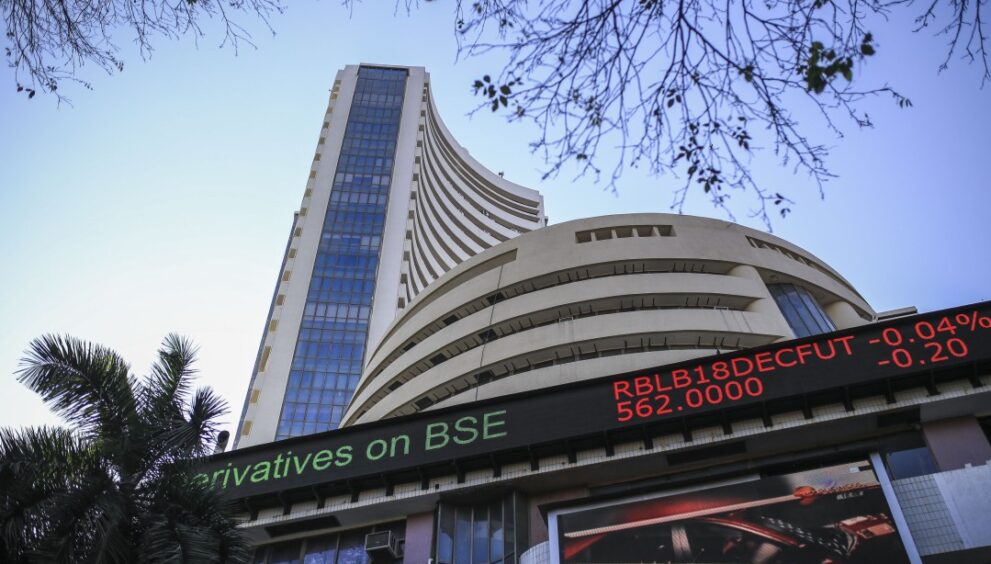
The recent decline in geopolitical tensions, particularly regarding the Strait of Hormuz and the U.S.-Israeli conflict, has acted as a primary catalyst for market revaluation. This shift has effectively dismantled the "war-related risk premium" that had bolstered energy costs, providing critical relief to import-dependent economies like India and reshaping the sentiment across the energy sector.
Himanshu Bhayani

Please See Video
The global financial landscape as of June 25, 2026, is currently defined by a high-stakes transition, characterized by the convergence of geopolitical de-escalation and the relentless evolution of AI-driven market dynamics. Our comprehensive analysis, spanning from the broad performance of 28 major global indices to the tactical nuances of Indian equity and commodity markets, paints a picture of a world transitioning from panic-driven volatility to a cautious, opportunity-rich consolidation phase.
Please See Video
The recent decline in geopolitical tensions, particularly regarding the Strait of Hormuz and the U.S.-Israeli conflict, has acted as a primary catalyst for market revaluation. This shift has effectively dismantled the “war-related risk premium” that had bolstered energy costs, providing critical relief to import-dependent economies like India and reshaping the sentiment across the energy sector. Simultaneously, the tech sector—anchored by the robust earnings guidance of semiconductor giants such as Micron and Qualcomm—continues to serve as the structural backbone of market confidence, despite persistent concerns regarding valuation.
Our coverage has traversed the full breadth of this environment, providing deep dives into the performance of 28 major indices and the corresponding strategic outlooks for June 26, 2026. From the Americas, where the CBOE VIX remains a critical institutional watchpoint, to the bullish sentiment permeating Asia-Pacific export markets, we have synthesized complex macroeconomic data into actionable visual insights. In India, the narrative remains constructive; as Nifty and Sensex navigate resistance zones, brokerage strategies emphasize the accumulation of quality IT, logistics, and hospitality stocks that are poised to capitalize on lower energy import costs.
Please See Video
As we move toward Friday’s trading session, the overarching sentiment remains “cautiously optimistic.” Investors are encouraged to look beyond the immediate noise of the U.S. Dollar’s strength and focus on the structural rotation toward AI infrastructure and resilient, dividend-paying large-caps. By synthesizing technical ratings, regional geopolitical drivers, and institutional brokerage sentiment, this guide serves as your essential companion for navigating the complexities of the current global market environment.
Market Crossroads: Navigating the Geopolitical-AI Tug-of-War
The financial landscape as of June 25, 2026, presents a study in contrasts. Global markets are currently grappling with the volatile intersection of de-escalating geopolitical tensions in the Middle East and the structural, albeit valuation-sensitive, enthusiasm surrounding Artificial Intelligence. As we look toward Friday’s trading session, investors are essentially caught in a tug-of-war between “reflationary” relief from lower energy costs and the sobering reality of a strengthening U.S. Dollar.
Please See Video
The Geopolitical De-escalation: A Relief Rally?
The most significant development is the perceptible easing of tensions near the Strait of Hormuz and the initial accord to quell the U.S.-Israeli conflict. This has effectively removed the “war-related risk premium” that had artificially inflated energy prices throughout the week. Consequently, we are witnessing a global repricing of energy commodities, with Brent and WTI extending their decline for a fourth consecutive session.
For import-dependent economies like India, this is an unequivocal positive. The cooling of crude prices provides a vital “import cost relief” valve, potentially stabilizing the USD/INR exchange rate, which has been under structural pressure.
Please See Video
The AI-Tech Paradox: Valuation vs. Utility
While energy prices fall, the tech sector remains the primary engine of market volatility. Asian markets, specifically Japan and South Korea, have rallied on the back of robust earnings guidance from semiconductor giants like Micron and Qualcomm. This confirms that despite “stretched” valuations, the underlying demand for AI hardware remains the primary anchor for global institutional confidence.
Conversely, U.S. equities are displaying a “mixed” temperament. While tech-valuation concerns persist—further exacerbated by weaker-than-expected U.S. home sales data—non-tech sectors are finally showing signs of life as they benefit from the broader reduction in geopolitical risk.
Please See Video
Editorial Outlook
As we move into the final trading day of the week, the outlook remains “cautiously optimistic.” The primary concern for Friday is not just the direction of equities, but the potential for an “unwinding” of the yen carry trade as central bank policies remain in flux.
Key Strategic Pillars for Friday:
- Tech Floor: The strong revenue guidance from the semiconductor space is expected to provide a defensive “floor” for the S&P 500 and Nasdaq, mitigating the impact of recent macro-economic pressures.
- Currency & Liquidity: With the USD strengthening, gold has slumped to a seven-month low. Investors should view this as a potential accumulation zone for those looking to hedge against future interest rate volatility, rather than a sign of structural weakness in the metal.
- India’s Advantage: Indian markets (Nifty & Sensex) are currently maintaining a constructive structure. The brokerage consensus remains focused on “accumulating on dips,” particularly in IT/Technology and logistics/hospitality, which stand to gain directly from lower oil imports.
In summary, the market is no longer driven by a singular narrative. Success on Friday will depend on the ability of investors to navigate the rotation from geopolitically-sensitive energy assets into the structural growth story of the AI-hardware ecosystem. Proceed with caution, but remain attentive to the “recovery floors” now emerging in the semiconductor and logistics sectors.
Please Read This Also
वेनेजुएला की राजधानी काराकास में आए लगातार दो विध्वंशकारी भूकंप
आपातकाल से अधिक दुखद है अमृतकाल
मध्य प्रदेश के मुख्यमंत्री मोहन यादव जमीन खरीद भ्रष्टाचार में बुरी तरह फंसे